1. Breaking Down the Cost of Solar Installation
a. The Initial Investment
Installing solar panels involves a significant upfront cost, which can range anywhere from $10,000 to $30,000, depending on your home’s specific needs. This covers everything from the panels themselves to the labor required for installation. While the initial price tag can seem daunting, it’s important to view it as an investment that pays off over time through energy savings
b. Savings Through Incentives and Rebates
One of the perks of going solar is that there are often financial incentives available to help reduce your initial costs. In British Columbia, for example, the Canada Greener Homes Grant offers up to $5,000 to homeowners for solar installations. Additionally, through net metering, you can earn credits on your electricity bill by feeding excess energy back into the grid, which further offsets your costs.
c. Financing Options to Consider
If the upfront costs are a concern, there are various financing options to explore. Solar loans, leases, and power purchase agreements (PPAs) allow you to install solar panels with minimal initial outlay. Each option comes with its own set of terms, so it’s worth doing some research to find the best fit for your financial situation.
2. Evaluating Your Home’s Location
a. Sunlight Exposure and Solar Potential
Your home’s location plays a big role in how effective your solar panels will be. Solar energy production depends largely on the amount of sunlight your property receives. In British Columbia, areas like the southern Interior receive more sun compared to the cloudier coastal regions, which can impact the efficiency of your solar panels.
b. The Condition and Orientation of Your Roof
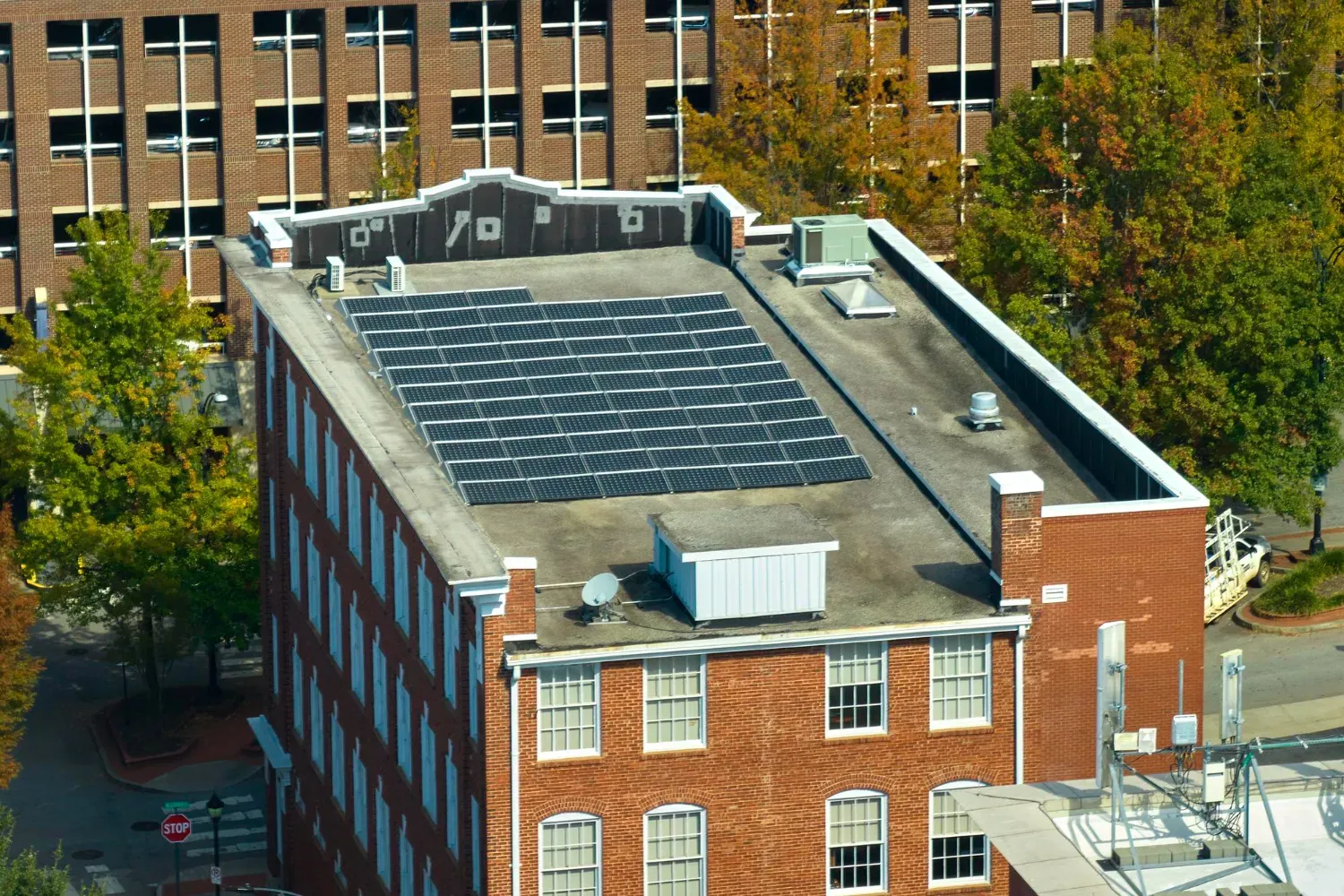
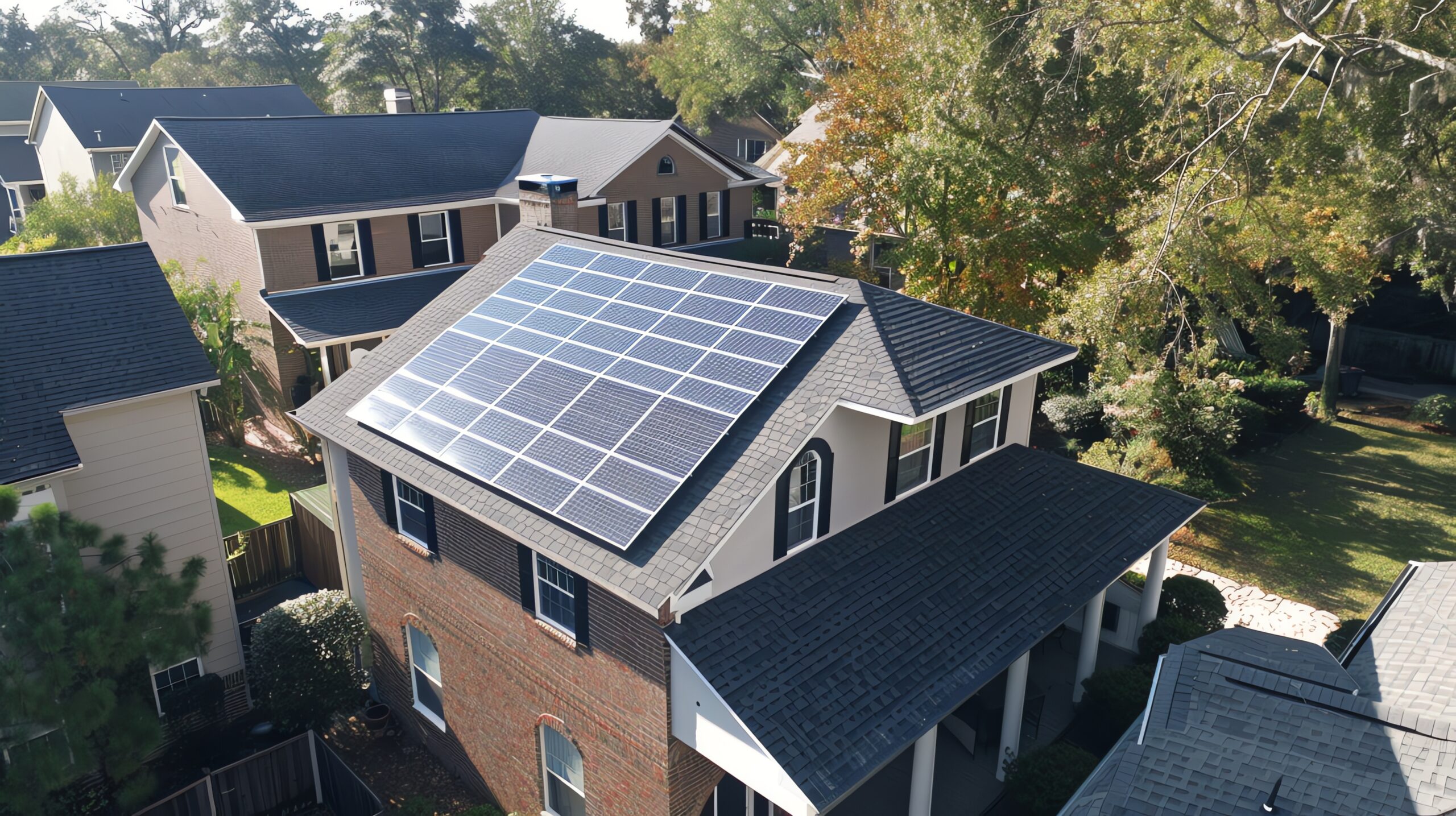
The condition and direction of your roof are also crucial factors. Solar panels perform best on south-facing roofs with a slope of around 30 degrees. If your roof is older or in need of repairs, it’s wise to address these issues before installing solar panels. Additionally, if roof space is limited, you might need to consider alternative solutions, like ground-mounted systems.
c. Local Weather and Climate Considerations
While solar panels can generate electricity even on cloudy days, they’re most efficient in sunny environments. British Columbia’s weather can be unpredictable, with some regions experiencing more overcast days than others. Understanding your local climate will help you set realistic expectations for your solar energy production.
3. Long-Term Benefits of Going Solar
a. Energy Savings and Return on Investment
One of the main reasons homeowners choose solar energy is to save money on their electricity bills. Over the 25 to 30-year lifespan of your solar panels, you can significantly reduce your energy costs. In some cases, solar energy can lower your electricity bills by 50% to 90%, depending on your location and usage. These savings can add up to thousands of dollars over the years.
b. Boosting Your Home’s Value
Solar panels can also increase the value of your home. Research shows that homes with solar energy systems often sell faster and at higher prices than those without. A study by Zillow found that homes with solar panels sold for an average of 4.1% more than similar homes without solar. This added value can make your solar investment even more worthwhile if you decide to sell your home.
c. Making a Positive Environmental Impact
Beyond the financial benefits, going solar is a powerful way to reduce your carbon footprint. By generating clean, renewable energy, you’re helping to reduce our reliance on fossil fuels and cut down on greenhouse gas emissions. Over their lifetime, solar panels can prevent the equivalent of thousands of miles driven by a car from being released into the atmosphere, making a tangible impact on the environment.
4. Installation and Maintenance Considerations
a. Choosing a Reputable Installer
Selecting the right installer is key to the success of your solar project. It’s important to choose a certified professional with a solid reputation and experience in your area. In British Columbia, look for installers who are familiar with local regulations and can guide you through the permitting process.
b. Understanding the Installation Timeline
The process of installing solar panels typically takes between one to three months, depending on various factors like site assessment, permitting, and installation. While this might seem lengthy, it ensures that everything is done safely and correctly. A reliable installer will handle every step, from designing your system to connecting it to the grid.
c. Keeping Up with Maintenance
Solar panels require minimal maintenance, but it’s still important to keep them clean and check for any potential issues. Most manufacturers offer warranties that cover the equipment and performance for 20-25 years, giving you peace of mind. Regular cleaning and inspections will help ensure that your panels continue to operate efficiently.
Conclusion: Is Solar Right for Your Home?
Switching to solar energy is a big decision, but with the right information, it can be a highly rewarding one. By considering the cost, your home’s location, and the long-term benefits, you can determine if solar power is the right choice for you. Whether your goal is to save money, increase your home’s value, or reduce your environmental impact, solar energy offers a powerful way to make a positive change.
Interested in learning more?
Contact BC Solar Panel for a personalized consultation and take the first step towards a brighter, more sustainable future.