Understanding Our Environmental Challenges
1. The Hidden Costs of Traditional Energy Sources
Most of the electricity we use comes from burning fossil fuels like coal, oil, and natural gas. While these sources keep our lights on, they also come with a heavy environmental price. Burning fossil fuels releases large amounts of carbon dioxide (CO2) into the atmosphere, contributing to global warming and air pollution. The International Energy Agency (IEA) notes that fossil fuels are behind about 75% of global greenhouse gas emissions—a leading factor in climate change.
2. Why We Need to Act Now
Climate experts stress the urgency of reducing CO2 emissions to avoid the worst impacts of climate change. The United Nations’ IPCC suggests that we need to cut emissions by 45% from 2010 levels by 2030. This means we need to start moving away from fossil fuels and embracing cleaner, renewable energy sources like solar power.
Solar Energy: A Cleaner, Greener Alternative
1. Harnessing the Power of the Sun
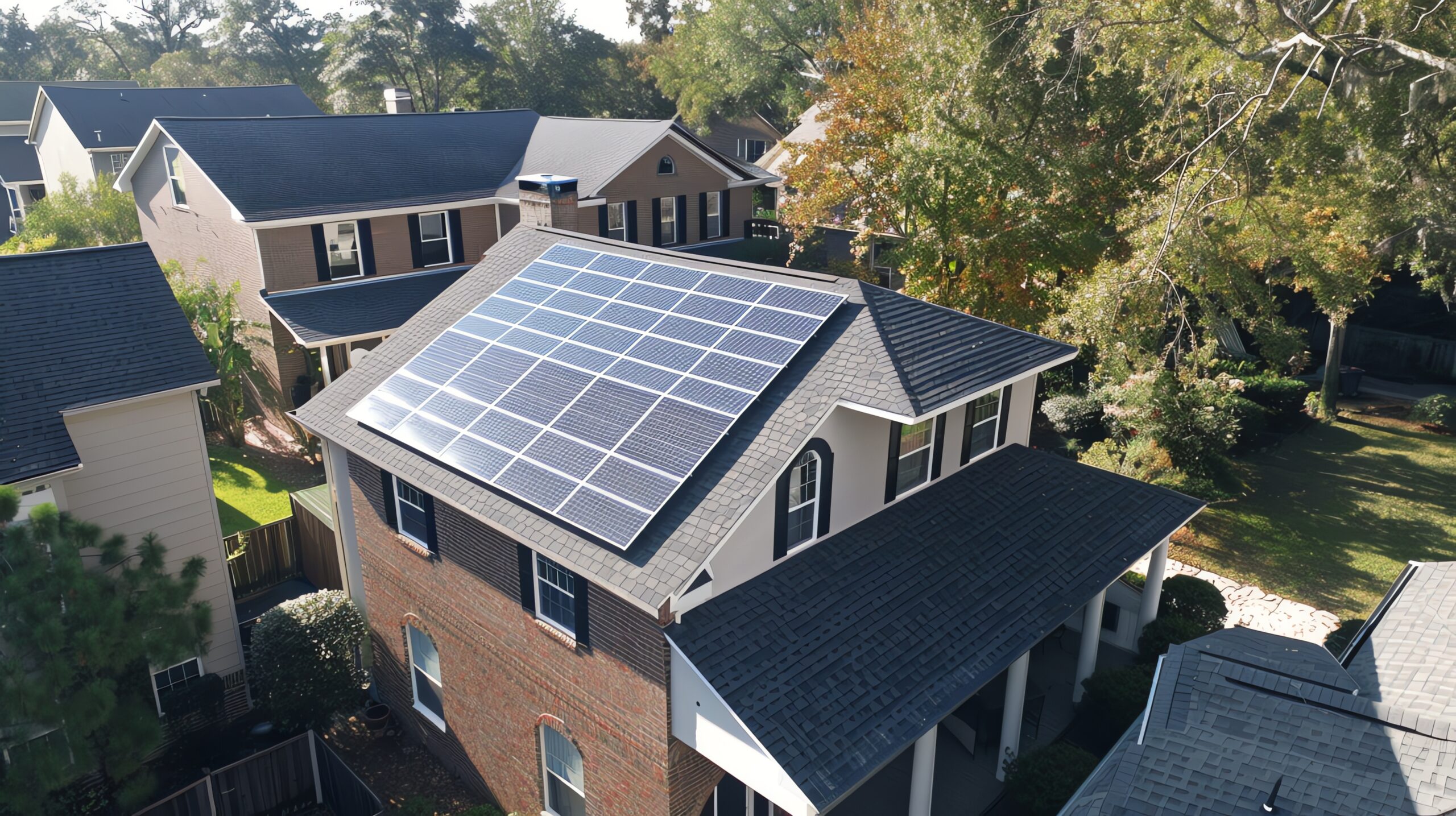
Solar energy offers a sustainable way to generate electricity without the environmental harm of fossil fuels. Solar panels capture sunlight and convert it into electricity, reducing the need to burn coal, oil, or natural gas. This not only helps conserve our planet’s finite resources but also avoids the pollution associated with fossil fuel extraction and consumption.
2. Boosting Energy Independence
By investing in solar energy, communities can reduce their dependence on imported fossil fuels and generate their own clean energy. This shift promotes energy independence and reduces the risks associated with fluctuating global fuel prices. In places like British Columbia, where hydroelectric power is common, solar energy adds another layer of renewable energy, further cutting down on fossil fuel use.
Solar Power: Cutting Down Greenhouse Gas Emissions
1. Making a Real Difference in CO2 Emissions
When solar panels generate electricity instead of fossil fuels, they help to significantly lower CO2 emissions. For each kilowatt-hour (kWh) of solar energy produced, CO2 emissions are reduced by about 0.5 to 0.9 kilograms, depending on the energy mix in the region. Over the lifetime of a typical solar system, this can add up to a substantial reduction in your carbon footprint.
2. Slowing Climate Change
Every solar panel installed contributes to the fight against climate change. By cutting down greenhouse gas emissions, solar energy slows the rate of global warming. The U.S. Environmental Protection Agency (EPA) estimates that widespread solar adoption could prevent millions of metric tons of CO2 emissions each year, helping to stabilize the climate. In British Columbia, where heating needs drive up energy use, solar energy can make a significant impact on reducing the province’s carbon footprint.
Protecting Our Planet’s Health with Solar Energy
1. Cleaner Air and Water
Fossil fuel power plants are notorious for emitting harmful pollutants like sulfur dioxide and nitrogen oxides, which contribute to respiratory problems, heart disease, and other health issues. By reducing the need for these plants, solar energy helps to clean up the air we breathe. Additionally, solar energy systems don’t require water to generate electricity, unlike coal or nuclear power plants. This means less strain on our water resources and less risk of water pollution.
2. Preserving Natural Habitats
Extracting and transporting fossil fuels often leads to environmental disasters like oil spills and habitat destruction. Solar panels, on the other hand, can be installed on rooftops and in areas that don’t disturb sensitive ecosystems. By choosing solar, we can protect wildlife and preserve natural landscapes.
Solar Energy’s Impact: Globally and Locally
1. A Global Shift Toward Sustainability
Solar energy is rapidly becoming the go-to choice for renewable power around the world, with its global capacity increasing by more than 18% each year. Countries everywhere are recognizing the economic and environmental advantages of solar, investing heavily in this clean energy source to meet their needs while reducing their carbon footprints.
2. Solar Power in British Columbia
Here in British Columbia, solar energy is playing an increasingly important role in our renewable energy strategy. The province’s sunny southern regions are ideal for generating solar power. By embracing solar, BC residents can help the province meet its ambitious goals of reducing greenhouse gas emissions by 40% by 2030 and reaching net-zero emissions by 2050.
Conclusion: Solar Energy as a Path to a Cleaner Future
Switching to solar energy isn’t just a smart move for your wallet—it’s also a powerful way to protect the environment. By reducing reliance on fossil fuels, cutting greenhouse gas emissions, and promoting a healthier ecosystem, solar energy is paving the way for a sustainable future. As more people and communities adopt solar power, we can collectively make a significant impact on the environmental challenges we face today.
Want to make a positive change? Learn more about how BC Solar Panel can help you go solar and contribute to a greener world.